

-
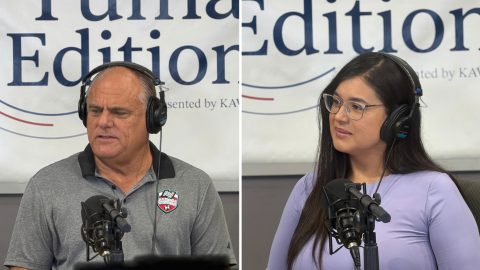 KAWC/Alexandra MoranArizona Western College men's soccer Coach Dale reached his 300th career win with the Matadors in August. And we talk about domestic violence with Yuma therapist Rivera.
 -
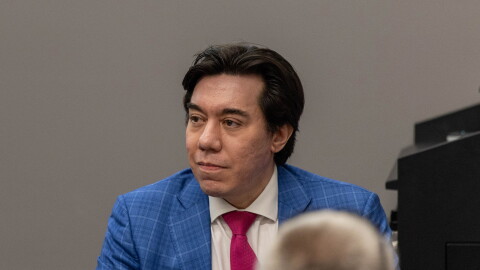 KAWC/Sisko J. StargazerA report published this week by The Arizona Republic political reporter Laura Gersony raises questions about a potential conflict of interest involving state Sen. Brian Fernandez and Arizona Western College executive Lorraine Stofft.


-
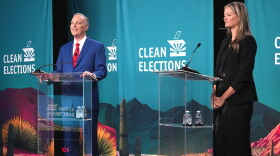 The hourlong debate featured disagreements over data centers, health care and water supplies, along with pointed questions about Biggs' legislative and congressional record.
 -
 On this episode of Yuma Edition, we sit down with Kacie Baker with YUHSD to talk about her passion for helping students succeed. We explore the work she’s doing to support local students, the impact she’s making in the Yuma community. Prefer to watch the conversation? View the full livestream on YouTube: https://www.youtube.com/live/jg9byb0Wsfw?si=h5TvuSY1V2nhXWb3
 -
 Hualapai activists are walking 1,200 miles across Arizona to oppose a proposed lithium mine near the tribe’s sacred Ha'Kamwe' hot spring. They were in Yuma on Monday.
 -
 A pilot was trapped inside his aircraft after it crashed in an agricultural field Monday morning.
 -
 In this episode, we celebrate National Taco Day with the women behind The Best Taquito! Owner Alma Ornelas and her daughter, Brigitte Licona, are the mother-daughter team behind The Best Taquito in Yuma and San Luis, Arizona.
 -
 Arizona House candidate Emilia Cortez joins Yuma Edition to discuss her campaign for Legislative District 23, her experience in economic development, and her priorities for Yuma County and rural Arizona.Prefer to watch the conversation? View the full livestream on YouTube: https://www.youtube.com/live/4S6Ymz2JoPI?si=L46rMRWjQlugPWt_
 -
 Navy and Marine Corps officials met with residents who live outside the base as they prepare to sample water wells for PFAS, also known as forever chemicals.
 -
 On this week's Arizona Edition, Part 3 our our biosolids series, MCAS Yuma open house, AWC-Taiwan partnership and a conversation with the Democratic nominee for treasurer
 -
 Irfan Fazil stole more than $36 million from AHCCCS, Arizona Attorney General Kris Mayes said. KAWC previously reported on former employees who were waiting to be paid.
 -
 The two honorees will be inducted during the AWC Foundation’s annual Schoolhouse Soirée, recognizing their contributions to higher education in Yuma and La Paz counties.


